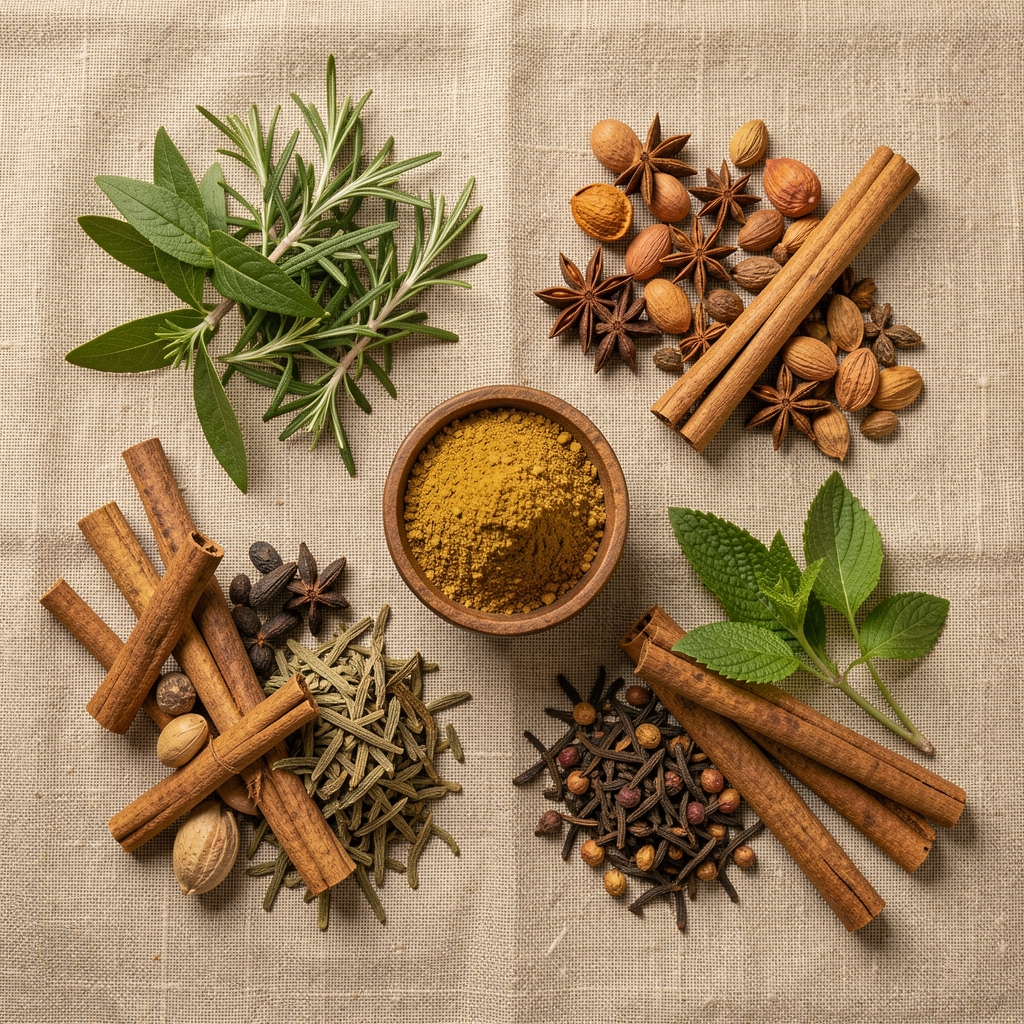
Long before the language of nutritional science arrived to describe what was already understood in practice, Malaysian kitchens operated as functional wellness spaces. The herbs laid across a chopping board at seven in the morning — lemongrass, turmeric, galangal, pandan — were not assembled for flavour alone. They carried with them centuries of documented observation, a body of traditional knowledge that contemporary nutritional research has increasingly begun to examine with formal interest.
What the Traditional Table Carries
Malaysian cuisine is often described in terms of its diversity — the confluence of Malay, Chinese, Indian, and indigenous culinary traditions that produce a table unlike any other in Southeast Asia. For the purposes of an editorial review focused on men's everyday wellness habits, however, it is the depth within each of those traditions that merits closer attention.
Malay culinary practice, in particular, draws on a rich pharmacopoeia of botanical ingredients. The traditional system of Perubatan Melayu documented the use of herbs for everyday maintenance of the body over many generations. Contemporary nutritional science, examining these same ingredients through the lens of micronutrient content and bioactive compounds, has documented a significant overlap between what traditional knowledge recommended and what current evidence-informed research supports.
This is not to claim equivalence between traditional botanical practice and the formal evidence base. It is, rather, to observe that the two bodies of knowledge are not in opposition, and that active men in Malaysia occupy a nutritional geography that — if engaged with thoughtfully — offers a distinctive advantage.
Selected Ingredients: An Editorial Overview
The following observations draw on published nutritional research and traditional wellness literature. They are presented as informational editorial content, not as directives or assessments for any individual.
Kunyit — Turmeric
Among the most extensively studied traditional Malaysian botanicals in contemporary nutritional science. Curcumin, the principal bioactive compound in turmeric rhizome, has been associated with antioxidant properties and contributions to muscle recovery awareness in published research. Traditional Malay practice included turmeric in daily cooking as a matter of routine — a practice that nutritional observation suggests carries relevance for active men.
Halia — Ginger
Ginger is present in Malaysian cooking at a frequency that makes it a practical dietary constant rather than an occasional addition. Published nutritional research documents associations between regular ginger consumption and digestive comfort, nausea reduction, and anti-inflammatory activity. For active men managing post-exercise recovery, ginger's documented role in muscle soreness awareness has been a subject of ongoing research interest.
Serai — Lemongrass
Lemongrass appears in Malaysian broth, sambal, and satay preparation as a flavour foundation and as a source of bioactive compounds. Citral, the dominant compound in lemongrass essential oil, is documented as contributing antioxidant activity. The herb's traditional association with digestive ease and stress-response modulation is reflected in a growing body of nutritional literature.
Pegaga — Centella Asiatica
Known in traditional Malay wellness practice as a botanical associated with cognitive clarity and calm energy. Contemporary nutritional research has examined pegaga's triterpenoid content and its associations with neurological support. It appears in ulam — the Malaysian tradition of raw herb consumption alongside main meals — a practice that nutritional research increasingly views as a meaningful source of dietary micronutrient variety.
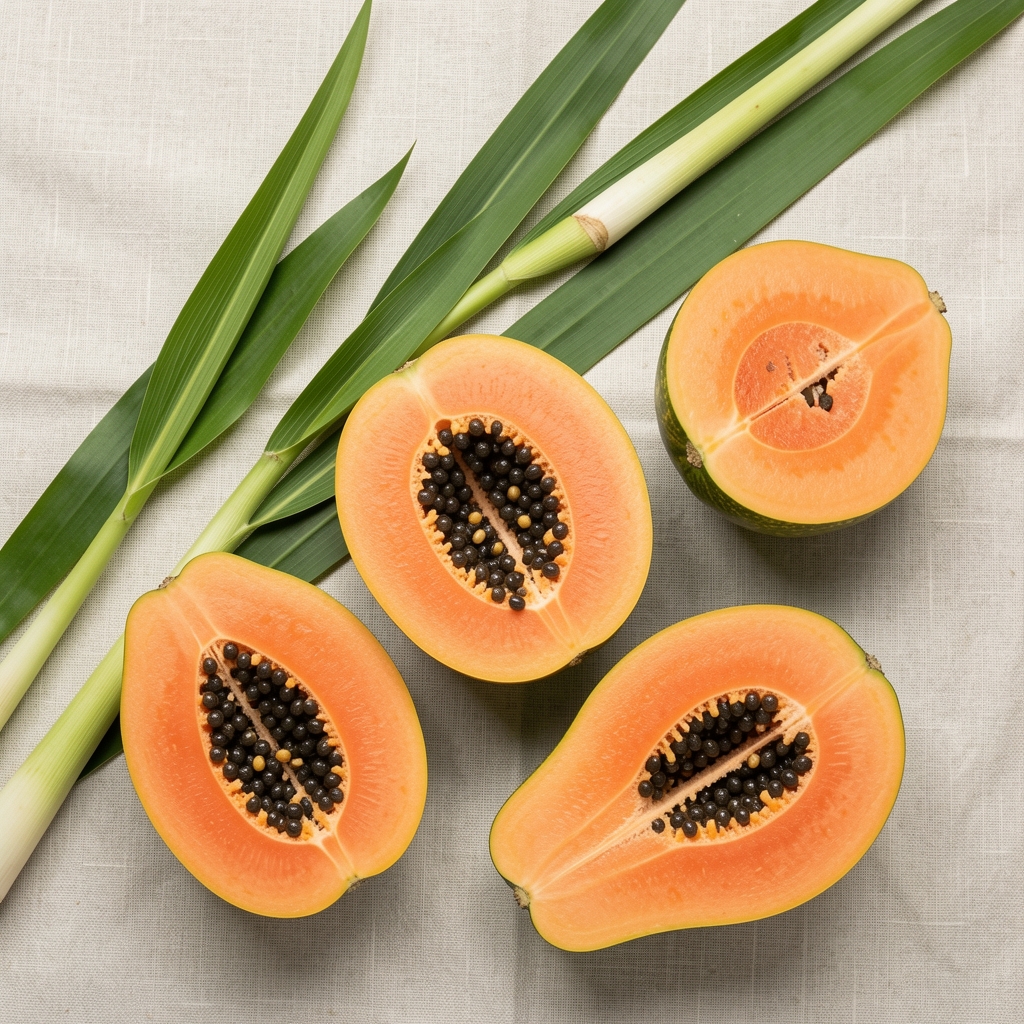
Fig. 1 — Traditional Malaysian whole-food ingredients in editorial context
The Ulam Tradition and Nutritional Variety
Perhaps the most distinctive nutritional practice in traditional Malaysian eating is ulam — the consumption of fresh, uncooked leaves, shoots, and herbs alongside the main meal. Common ulam herbs include pegaga, ulam raja (cosmos caudatus), daun selom, and petai. This practice introduces a significant volume of raw plant matter into the daily diet, with corresponding benefits in fibre, polyphenol, and micronutrient diversity.
Nutritional research on plant diversity as a determinant of gut microbiome health has grown substantially in the last decade. The evidence base suggests that greater variety in plant intake — rather than simply greater volume of any single plant — is the more relevant variable for long-term digestive wellness. The ulam tradition, viewed through this lens, represents a dietary practice that contemporary nutritional science has arrived at independently through different methodology.
For active men in Malaysia who may have moved away from traditional eating patterns as part of urban life, the ulam practice represents an accessible, low-cost means of reintroducing plant diversity. It requires no special equipment, no significant time investment, and no deviation from the social context of eating — the herbs arrive alongside the meal, as they always have.
"The Malaysian table, at its traditional best, is a nutritional document — a record of accumulated botanical knowledge presented as daily food."
Zinc, Magnesium, and the Local Food Supply
Two micronutrients that appear with particular frequency in men's nutritional wellness research are zinc and magnesium. Both are associated with physical recovery awareness, energy metabolism, and — in the case of magnesium — with rest quality and muscle function. Both are available in significant quantities through the traditional Malaysian food supply, without requiring supplementation or significant dietary change.
Zinc is found in meaningful quantities in tempeh (fermented soybean cake, a staple of Malaysian cooking), in meat, shellfish, and in pumpkin seeds. Tempeh in particular presents an accessible, affordable, and culturally embedded source of zinc for men across all income levels in Malaysia. Its fermented character also contributes to gut microbiome diversity, a function documented in nutritional research as relevant to immune function and mood patterns.
Magnesium is present in brown rice (available throughout Malaysia, though less commonly chosen than white), in leafy green vegetables, in nuts, seeds, and in dark chocolate. The shift toward white rice as the dietary staple across the 20th century represents a reduction in dietary magnesium for the population. For active men attentive to their nutritional variety, partial substitution or supplementation of whole grains represents a documented approach to maintaining adequate magnesium awareness.
Eating with the Season and the Market
Malaysia's tropical climate and agricultural calendar produce a succession of seasonal fruits that no other nutritional context can replicate. Durian, mangosteen, rambutan, langsat, and duku arrive in their respective seasons with high sugar content but also with notable micronutrient profiles. Mangosteen, for instance, is among the most polyphenol-rich tropical fruits documented in nutritional literature; its xanthone content has been associated with antioxidant activity in multiple published studies.
The editorial position of this publication is that engagement with the local seasonal food supply — through wet markets, pasar tani, and direct-from-farm channels — represents a nutritional practice that urban life in Malaysia has made easier to abandon than to maintain. For active men building everyday wellness habits, the wet market visit is a routine with both nutritional and rhythmic value: it orients food choices toward what is fresh, local, and genuinely seasonal.
This is not a claim that one approach to eating is superior to all others. It is an observation, grounded in published nutritional research and traditional wellness literature, that the resources available to men in Malaysia for building a nutritionally varied everyday diet are among the richest in the world. The question is not one of access but of awareness and habit.
Editorial Observations
-
01
Traditional Malaysian botanicals — turmeric, ginger, lemongrass, centella — are associated with antioxidant and anti-inflammatory properties in published nutritional research.
-
02
The ulam tradition provides a practical, culturally embedded means of increasing dietary plant variety — a variable associated with gut microbiome health in current nutritional science.
-
03
Tempeh is a documented source of zinc, protein, and probiotic activity within the traditional Malaysian food supply. Its nutritional profile is relevant to men's recovery awareness habits.
-
04
Seasonal fruit engagement — particularly during peak seasons for mangosteen, papaya, and guava — contributes meaningfully to antioxidant variety in the everyday diet.
Articles published on Drenvak Notebook are editorial in nature and reflect the writers' observations on everyday wellness habits, natural lifestyle practices, and daily routines for active men. The content is not intended as professional advice and does not replace consultation with a qualified health professional. Readers with specific health concerns are encouraged to speak with a qualified professional.